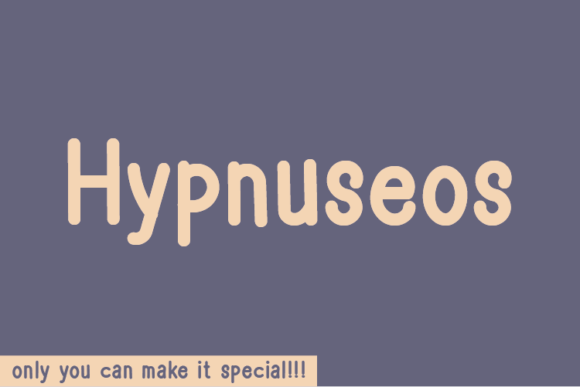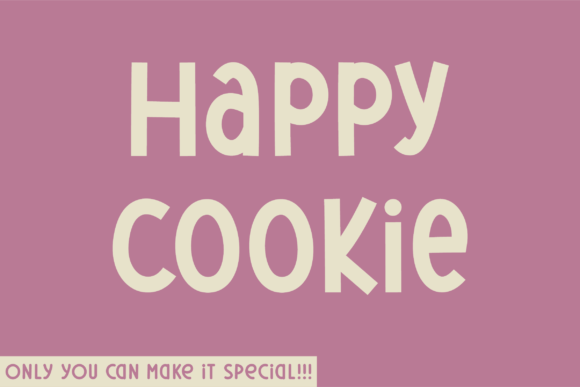
Happy Cookie: A Natural Handwritten Font for Campaign-Ready Creatives
Happy Cookie in Action: Designing a Seasonal Sale Graphic
While preparing a social media post for a holiday sale, I needed a font that felt warm, personal, and just a little whimsical. I reached for Happy Cookie, a Script Handwritten font I’d recently added to my Fonts library. What stood out immediately was how effortlessly it translated the tone of the campaign—festive, friendly, and approachable. The font’s natural flow and unaltered character nodes gave it a subtle authenticity that felt hand-crafted, not digitally generated. It was perfect for a short headline like “25% Off Holiday Goodies” layered over a cozy background.
Happy Cookie for Instagram Stories and Reels Covers
When building Instagram Stories for a client’s product launch, I wanted a typeface that could command attention in a fast-scrolling feed. Happy Cookie delivered a punch of personality without overwhelming the layout. Its organic shape and slightly bouncy baseline made it ideal for overlay text on Reels covers and story highlights. I used it sparingly—never more than 2–3 words at a time—and paired it with a clean sans serif for supporting text. The contrast helped maintain visual hierarchy while keeping the brand voice light and engaging.
Readability Considerations on Mobile Screens
One thing to keep in mind when using Happy Cookie is readability on small screens. It’s best suited for larger text elements—headers, quotes, and callouts—rather than long captions or body copy. I found that at sizes below 20pt on mobile previews, the natural ligatures and soft curves began to blur together, especially on dark backgrounds. For optimal legibility, I recommend using it on light or semi-transparent overlays where contrast helps the text pop without straining the eye.
Happy Cookie for Quote Graphics and Pinterest Campaigns
As part of a wellness brand’s Pinterest strategy, I created a series of inspirational quote graphics. Happy Cookie brought a soft, human touch to phrases like “Breathe Deeply” and “You’re Doing Great.” Its handwritten style aligned perfectly with the brand’s nurturing tone. Because Pinterest audiences often scroll for aesthetic inspiration, the font’s visual warmth helped the pins stand out in a sea of generic typography. I used it in combination with organic shapes and soft textures to reinforce the natural, grounded mood.
Font Pairing for Balance and Brand Consistency
One of the most effective ways I’ve used Happy Cookie is in tandem with a minimalist sans serif like Montserrat or Lato. This pairing gave the design both structure and soul—Happy Cookie handled the emotional tone while the secondary font grounded the message with clarity. For example, in a webinar promotion, I used Happy Cookie for the headline “You’re Invited” and a clean sans serif for the event details. The result was a design that felt both personal and professional, perfect for audiences who value authenticity and efficiency.
When Happy Cookie Isn’t the Best Fit
While Happy Cookie shines in short-form, visual content, it’s not ideal for every campaign scenario. I avoided using it for email body copy, dense product descriptions, and formal brand assets like investor decks or corporate reports. The Script Handwritten style, while charming, doesn’t lend itself well to extended reading or formal contexts. It’s best reserved for display use—headers, quotes, social media captions, and branding elements where personality matters more than precision.
Checking Font Features Before Finalizing Campaign Assets
Before exporting final files for a client’s digital ad set, I always double-check the font’s included features. Happy Cookie offers standard alternates and ligatures, which allowed me to fine-tune character spacing for better visual flow. It also supports multiple languages and comes in a web-friendly format, which was essential for a global campaign. Don’t forget to verify commercial licensing—this is a Fonts asset you’ll want to confidently use across templates, merchandise, and branded content without legal concerns.